How to Care for Ferragamo Calfskin, Suede, Python and Wicker
One thing belongs ahead of any advice at all: Ferragamo publishes no public bag-care guide. There is no official manual and no house-approved product list, so everything below is general material guidance drawn from how these materials behave, not brand instruction. The only official aftercare the house offers is its Repair Services, available for a selection of authentic products and requested at selected boutiques. Keep that distinction in mind, because much confident-sounding advice about ferragamo bags online is presented as if it came from Florence when it did not. What this guide can do is set out what each material rewards and what it punishes. That alone is enough to keep a bag looking like itself for a very long time.
Begin With the Composition Field, Not the Colour
On the brand’s own site, every current bag page shows a composition field, and for care purposes that field is the only instruction that matters. A ferragamo bag described as calfskin wants a different routine from one described as suede, even where the two share a shape and a name. Smooth and grained calfskin, suede, python, hand-woven wicker with a silk lining, raffia, canvas and jacquard all sit in the current line-up, which is a genuinely wide spread of behaviours for a single ferragamo small shoulder bag house. Sizes count too: under load, a small structured piece keeps its shape far better than a soft shoulder bag stuffed past its limit. If the bag came to you pre-owned, the seller’s description may simply be wrong, so judge by hand-feel and assume the more delicate material whenever you are unsure. Whatever you use, test it first on a hidden patch such as a base corner.
Smooth and Grained Calfskin
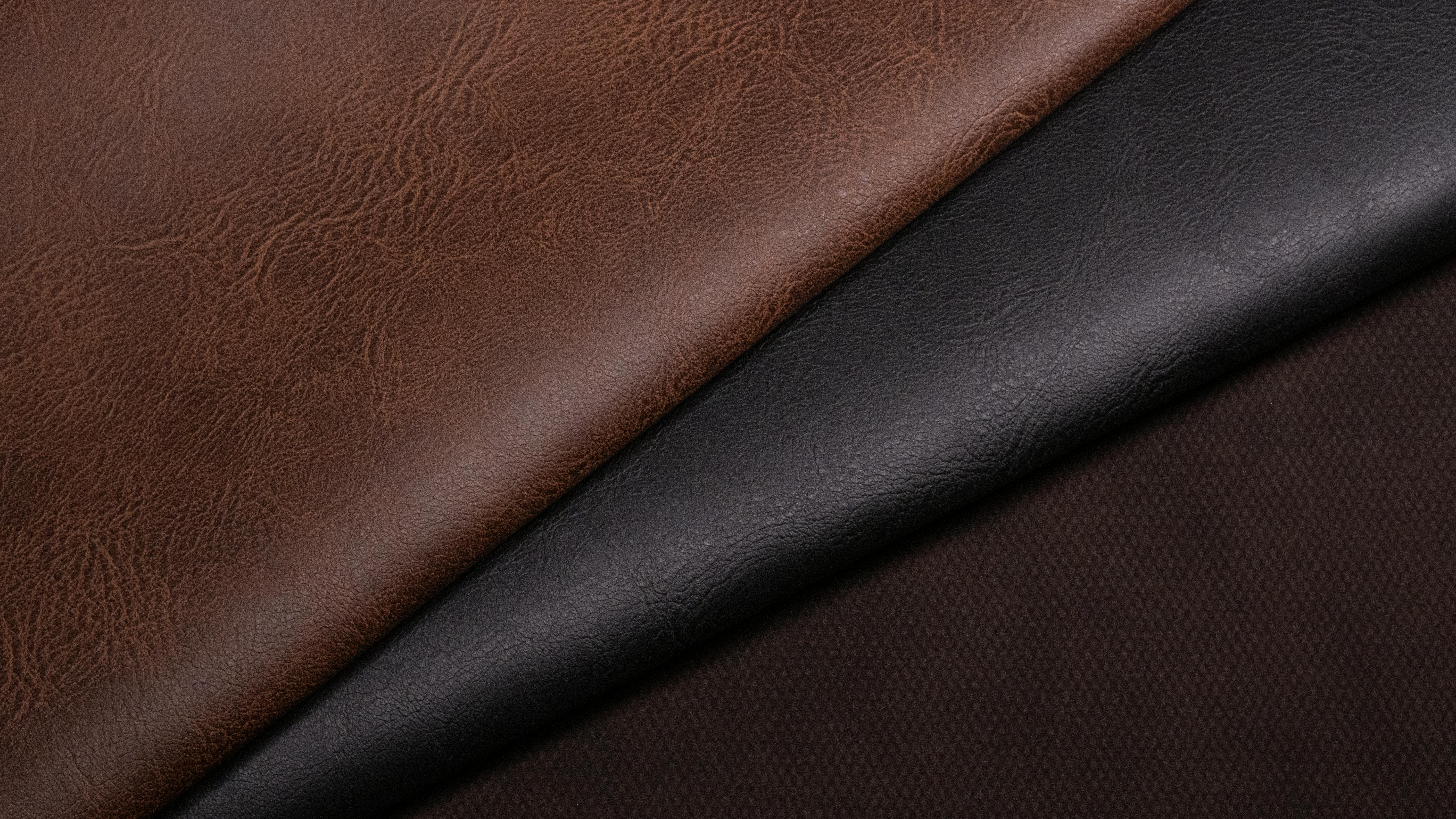
The workhorse of the collection is calfskin, the most forgiving material on this list, and that is why it appears at almost every price point. The routine is genuinely dull, and that is the point: wipe the surface with a soft dry cloth after use, let the bag rest, and keep it clear of radiators and car dashboards. A neutral conditioner used sparingly, two or three times a year, keeps smooth calfskin from drying, but heavy products can darken a pale finish permanently. Wear is hidden far more effectively by grained and hammered calfskin than by smooth calfskin, and that is worth knowing when two versions of one model are on the table. Smooth finishes are the first to show scuffs and corner rub, especially on structured pieces with defined edges. Take a small structured calfskin bag such as the extra-small Hug, observed at $2,600 on the brand’s US webstore: it spends its life pressed against clothing and door frames, so the corners show wear first.
Suede, and Why It Punishes Improvisation
Suede punishes improvisation, and it also holds value unusually well in this house when it stays clean. The routine is dry: brush gently with a dedicated suede brush, always in one direction, to lift dust before it works into the nap. A protector spray applied before first use gives a margin against light rain, not immunity. Water, oils and conditioners intended for smooth leather do not belong anywhere near it, because they flatten the nap and leave rings that do not lift. When suede gets wet, natural drying away from heat comes first, and brushing the nap back up comes after. Anything beyond surface dust, an oil mark most of all, belongs with a specialist rather than with a kitchen-table experiment.
Python: Intervene as Little as Possible
Of everything on this list, python is the material where doing almost nothing is the correct amateur routine. Scales lift, dry out and crack, and once a scale has lifted it does not lie back down. Keep the bag out of direct sun, away from dry heat and off surfaces that will catch and drag on the scale edges. Wipe only with a dry cloth in the direction the scales lie, never against them, and never apply water, alcohol or a general leather cream. A piece like the medium Gancini handbag in python, observed at $4,100 with golden hardware and a suede lining, goes to a professional at the first sign of trouble. Everything else comes down to storage discipline: dust bag, cool room, nothing heavy stacked on top.
Raffia and Hand-Woven Wicker
With woven materials, the weave is the failure point rather than the surface. Since wicker and raffia cannot be cleaned conventionally, the entire intervention available to you is spot-cleaning one mark with a barely damp cloth. Keep them dry, since soaking swells the strands and then warps them, and keep them out of prolonged sun, which fades and embrittles them. Crushing is the true enemy, because a woven bag left beneath others in a wardrobe keeps that dent for good; meanwhile the silk lining used in pieces such as the Iconic Top Handle, observed at $4,800 in its small wicker version, snags on anything sharp carried loose. Light stuffing holds the shape between outings, and acid-free tissue is the material for it, never newspaper. Treat a woven bag as a seasonal piece and it will survive many seasons.
Canvas, Jacquard and Gancio Hardware
Canvas and jacquard are nearer to textiles than to leather, and they behave that way. Spot-clean using a barely damp cloth and neutral soap, working inwards from the outside of a stain, then let the panel dry flat. Never put a bag in a washing machine, and be careful around leather trims, which are usually the first part to water-stain. Hardware asks even less: the golden Gancio buckles and Gancini closures used across the collection are plated finishes, so abrasive polishes and metal cleaners strip them rather than restore them. All that is safe is a dry microfibre cloth, with a barely damp one now and then. Fasten clasps and zips before storing so that nothing presses against a panel and leaves an impression.
The Habits That Actually Matter, Starting With Storage
Because most damage happens when a bag is not being carried, storage is the habit with the highest return. Keep each bag in its own dust bag, lightly stuffed to hold its shape, standing upright in a cool dry place out of direct sunlight. Months spent hanging by the handle will distort the handle and the strap attachment points, so avoid it. Rotate what you carry, since a daily bag ages far faster than one used twice a week. Empty the interior between wears, because pens, keys and loose coins damage linings faster than the outside ever wears. Never store a bag in a sealed plastic box either, since trapped moisture is worse than dust, and keep any repair paperwork with the bag, as Repair Services are requested with proof of purchase.
Material Summary at a Glance
The table below condenses those routines into one view, best used as a reminder. Each row states the routine that keeps a material stable and the single habit most likely to ruin it. None of this is brand instruction, and it does not replace a professional opinion on a piece you care about. When two materials share a bag, which happens often on salvatore bags with leather trims over canvas, the more delicate of the two sets the rules. Where a material is not listed, or you cannot identify it confidently, do nothing beyond dry dusting until you can. Doing too little is almost always the safer error.
| Material |
Routine care and upkeep |
Keep it away from |
| Calfskin, smooth |
Wipe with a soft dry cloth; neutral conditioner, sparingly |
Rich creams, direct heat, abrasion at the corners |
| Grained calfskin or hammered calfskin |
Dry cloth; conditioner rarely needed |
Solvents; over-conditioning |
| Suede surfaces |
Dry brush in one direction; protector spray before first use |
Water, oils and leather creams |
| Python skin |
A dry cloth worked with the scales; professional care only |
Sun, dry heat, brushing against the scales |
| Hand-woven wicker with silk lining |
Spot-clean and nothing more; stuff lightly when it is stored |
Water, crushing and sharp objects carried inside |
| Woven raffia |
Spot-clean and nothing else; store dry and out of the light |
Damp storage and prolonged sun |
| Canvas or jacquard |
Spot-clean with neutral soap; dry flat |
Machine washing and soaking the leather trims |
| Gold-tone hardware and Gancio buckles |
A dry microfibre cloth |
Abrasive or chemical metal polish |
Where Home Care Ends and Repair Services Begin
There is a point where home care stops helping and starts costing money. Torn stitching, a failing zip, a stretched strap hole, a lifted python scale, a collapsed woven panel and any deep colour transfer all belong with a professional rather than with you. The brand’s own Repair Services cover a selection of authentic products, are requested at selected stores with proof of purchase, and remain valid whatever the country or sales channel in which the bag was bought. That matters if you bought during a ferragamo sale, through an authorised stockist or in a ferragamo shop abroad, and it applies equally to older pieces listed under the legal company name, Salvatore Ferragamo. It matters even more for archive pieces bought pre-owned, because the older utility styles observed between $500 and $945 as 2026 market prices usually arrive carrying the most wear. Ask before you spend, and leave it to the specialist to decide what a bag can take.